

fotos para el topo
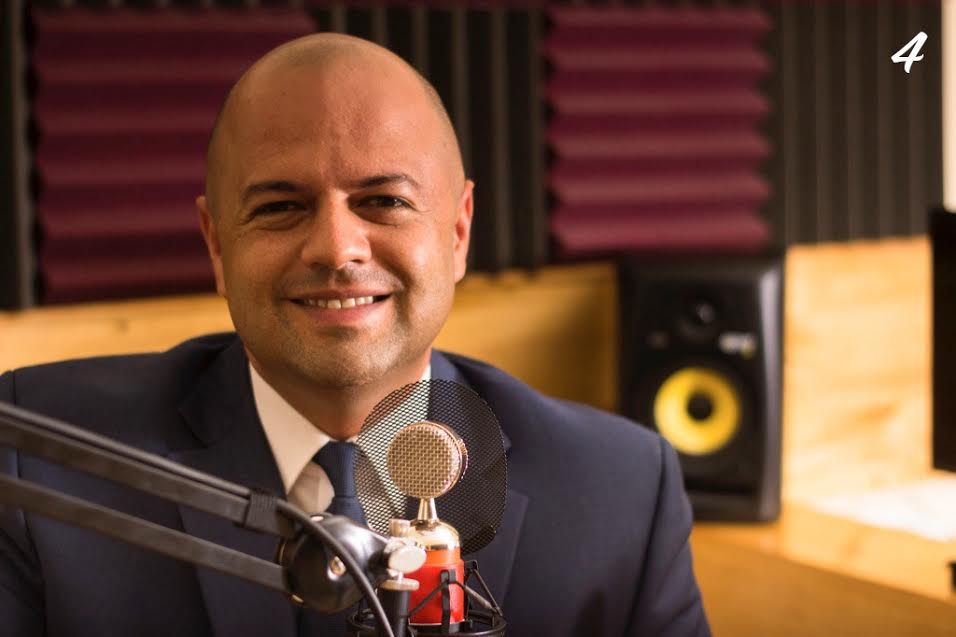
Before the bullets, before the political confrontations, and before his name became part of Costa Rica’s darkest headlines, Camilo Rodríguez Chaverri was a father, a writer, a journalist, and a man who had spent most of his life searching for stories.
THE PEGASUS FILE | SPECIAL REPORT
November 16, 2026
A Life That Was More Than Its Ending
There is a danger in the way we remember people who die violently.
The circumstances of their deaths become so overwhelming that the lives they lived are reduced to a few final moments. Their accomplishments, struggles, ambitions, and personal relationships disappear beneath the headlines.
Camilo Rodríguez Chaverri deserves to be remembered as more than a man murdered on a Costa Rican highway.
He was 50 years old. He was the father of four children. He was a journalist, author, television personality, and social activist whose professional career stretched across more than three decades.
He was also a controversial man, sometimes admired, sometimes criticized, and frequently at odds with powerful personalities in Costa Rican public life.
But long before he became known for publicly confronting politicians and alleging connections between organized crime and government institutions, Rodríguez was something considerably simpler.
He was a young man who loved to write.
The Boy From Cartago
Camilo was born on February 14, 1976, in Cartago, Costa Rica.
His childhood unfolded across several communities, including Cervantes de Alvarado, Pérez Zeledón, Siquirres, and Guápiles.
These were not simply places on a map. They were communities whose histories, traditions, religious institutions, and ordinary people would eventually become subjects of his journalism and books.
His interest in journalism began early.
As a teenager attending an agricultural school in Guápiles, he helped produce a student newspaper. At 16, he traveled to the United States to complete his secondary education and became involved with a small publication in Iowa.
Before reaching adulthood, he had already begun contributing articles to established Costa Rican newspapers.
For Rodríguez, journalism was not something discovered halfway through life. It was something he pursued almost from childhood.
A Journalist Who Wanted to Tell Every Story
Over the following decades, Rodríguez built a career that crossed the traditional boundaries of Costa Rican journalism.
He worked in newspapers, radio, and television. His professional associations included Radio Columbia, Radio Monumental, Canal 13, and several other broadcasting and publishing organizations.
He participated in political commentary, interviews, regional reporting, and cultural programming.
At just 20 years old, he helped establish El Guapileño, a regional newspaper serving communities often overshadowed by the country’s larger national media.
He later became involved with Viva Limón, another publication focused on regional life.
These projects revealed something important about his professional interests.
Rodríguez did not confine himself to the political establishment in San José. Much of his early work involved the communities, institutions, and people outside the capital.
His curiosity extended to the churches of Costa Rica, their architecture, their histories, and their place in the lives of ordinary citizens.
He researched and documented religious buildings and local traditions, creating written and audiovisual records of subjects that might otherwise have attracted little national attention.
His interests were unusually broad.
He wrote poetry, essays, biographies, historical accounts, and interviews. In an autobiographical statement submitted to Costa Rica’s Supreme Electoral Tribunal, Rodríguez claimed to have published 168 books.
Whatever one thinks of his later political confrontations, that body of work reflects a lifelong commitment to writing and communication.
The Father Behind the Public Figure
Beyond his professional identity, Rodríguez was a father of four.
His family life was complicated, and some of those complications became matters of public controversy.
Following the breakdown of his marriage, he spoke repeatedly about his struggle to maintain relationships with three of his children.
He described that separation as one of the defining injustices of his personal life and incorporated the experience into his public advocacy.
The family disputes also involved serious competing allegations and legal proceedings. Those matters cannot fairly be reduced to one person’s account.
But they reveal a dimension of Rodríguez that is easily lost when examining only his political statements.
Behind the broadcaster confronting officials on social media was a man publicly struggling with painful questions about family, separation, and fatherhood.
Whatever the legal and personal realities of those disputes, they were clearly important to the way he understood and presented his own life.
And on November 16, four children lost their father.
A Man Who Refused to Stay Within One Profession
Rodríguez was not content to remain simply an observer of Costa Rican public life.
He also sought political office.
He pursued a presidential candidacy associated with the Partido Renovación Costarricense for the 2022 election, although electoral authorities did not ratify that candidacy because of deficiencies in the party’s compliance with requirements.
He later became a legislative candidate in San José for the 2026 election under the Aquí Costa Rica Manda party.
His public interests extended to agriculture, environmental concerns, cooperatives, and community organizations.
The distinction between journalist, activist, commentator, and political participant became increasingly blurred.
That complicated his public reputation.
To some, he was a persistent voice willing to challenge established interests. To critics, his methods and public allegations raised serious questions about accuracy, evidence, and professional responsibility.
Both aspects belong in any serious examination of his life.
The Transformation
In his later years, Rodríguez increasingly turned toward social media.
The traditional journalist who had spent decades working through radio stations, newspapers, and television programs became a confrontational online commentator.
His broadcasts began naming individuals whom he alleged were connected to corruption, drug trafficking, money laundering, and organized crime.
Some of those accusations reached the highest levels of Costa Rican politics.
His statements provoked public denials, political confrontations, and defamation proceedings.
The allegations were not established facts simply because Rodríguez repeated them. Some remained unsupported by publicly verified evidence.
Yet his willingness to name powerful people, sometimes in extraordinarily direct language, became a defining feature of his final years.
He also publicly reported receiving threats against his life.
The man who had once documented churches, interviewed local personalities, and published regional histories was now operating in an environment of political hostility and allegations involving organized crime.
Whether that transformation ultimately contributed to his death remains a question for investigators.
The Afternoon Everything Ended
On Monday, November 16, 2026, Rodríguez was driving his pickup truck along Route 32 near San Miguel de Santo Domingo de Heredia.
At approximately 3:20 in the afternoon, two individuals traveling on a motorcycle approached his vehicle.
Gunfire erupted.
Emergency personnel arrived to find the journalist dead inside his vehicle.
The killing shocked Costa Rica’s journalistic community.
The location carried a particularly disturbing historical coincidence. Approximately 300 meters away, journalist Parmenio Medina had been attacked and fatally wounded in July 2001.
Twenty-five years separated the two killings.
For Costa Rica, a nation long associated with democratic institutions and relative political stability, the assassination of another journalist raised urgent questions.
Who wanted Camilo Rodríguez dead?
Was he killed because of something he knew, something he said, or for reasons unrelated to his reporting?
And what, if anything, did his public confrontations with powerful political figures have to do with the events of that afternoon?
Those questions deserve answers supported by evidence, not speculation.
Remember the Man Before Investigating the Murder
Camilo Rodríguez was not a perfect man.
He had critics. He had legal controversies. He made accusations that were disputed and sometimes unsupported. His public life was complicated, and so was his private life.
But none of those circumstances diminished his right to live.
For more than thirty years, he participated in the public conversation of his country.
He wrote about its communities, documented its traditions, interviewed its people, entered its political debates, and eventually confronted some of its most powerful personalities.
His death should not erase that history.
Nor should the controversies of his life prevent a thorough investigation into the circumstances of his murder.
Before the accusations, before the viral videos, and before the gunfire on Route 32, there was a boy from Cartago who wanted to tell stories.
That is where the story of Camilo Rodríguez should begin.
But Camilo Rodríguez’s story does not end on Route 32.
Before his death, Rodríguez reportedly spoke of evidence he had preserved and distributed to others—material he believed could protect him if his life were threatened.
What did that evidence contain? Who received it? And what might it reveal about the circumstances surrounding his murder?
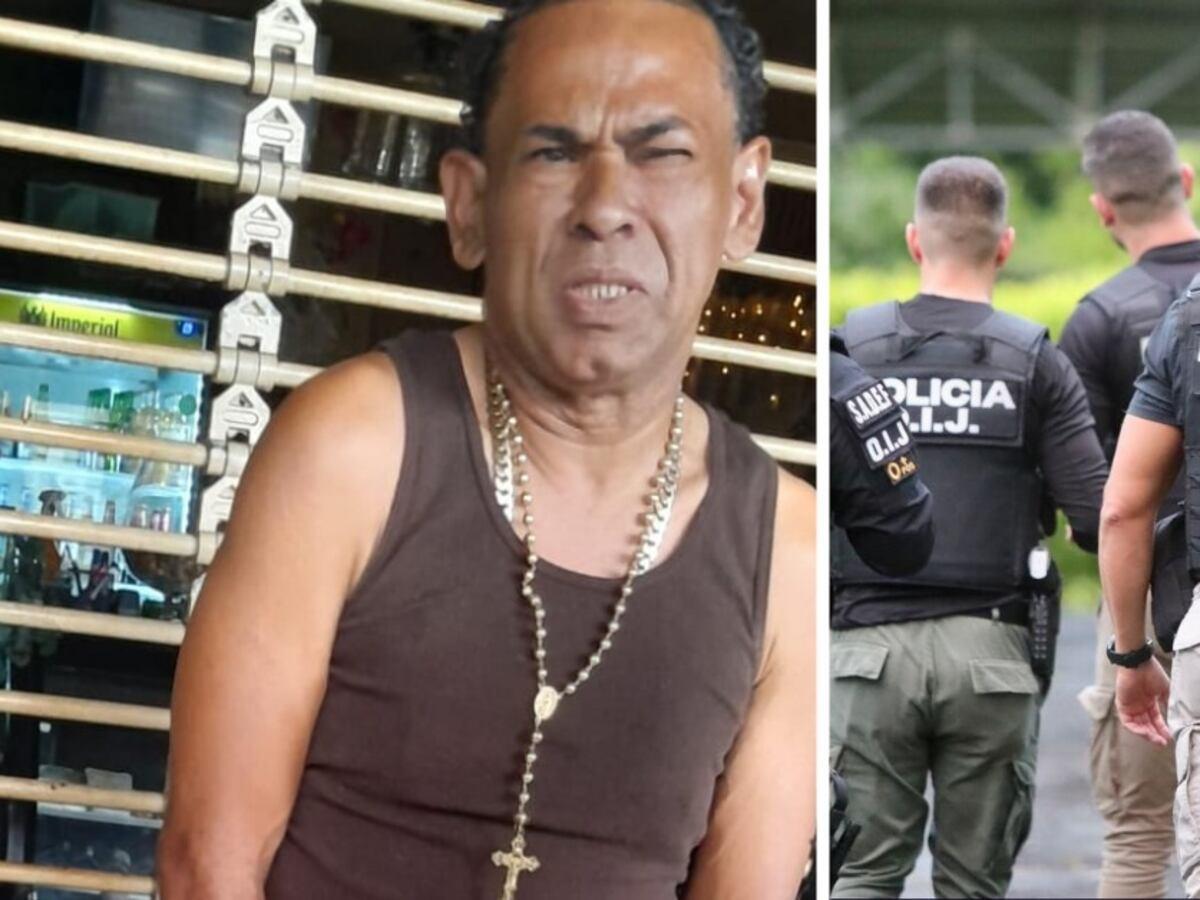
And how does Edwin López Vega, known as “Pecho de Rata, and his connection to the Chaves Crime Family fit into the picture?
Coming Next in The Pegasus File:
The Final 47 Days — Political Confrontation, Death Threats, and the Murder of Camilo Rodríguez.
The Pegasus File will continue examining the documented circumstances surrounding Rodríguez’s death, his public statements, the political responses to his allegations, and the evidence available to investigators. Allegations concerning identifiable individuals will be distinguished from verified findings.
. . . To be continued . . .